
Online and in-clinic visits for genetic consultations, counselling and testing
Department of Genetic Rare Diseases
Expert diagnosis, genetic workup, and long-term guidance for rare and undiagnosed genetic conditions — from childhood through adult life — led by Dr. Roshan Daniel, Clinical Geneticist.
Most rare diseases have a genetic cause — and most patients wait years for a diagnosis. We can help shorten and improve that journey.
PEDIATRIC RARE DISEASES
Rare Genetic Diseases in Children
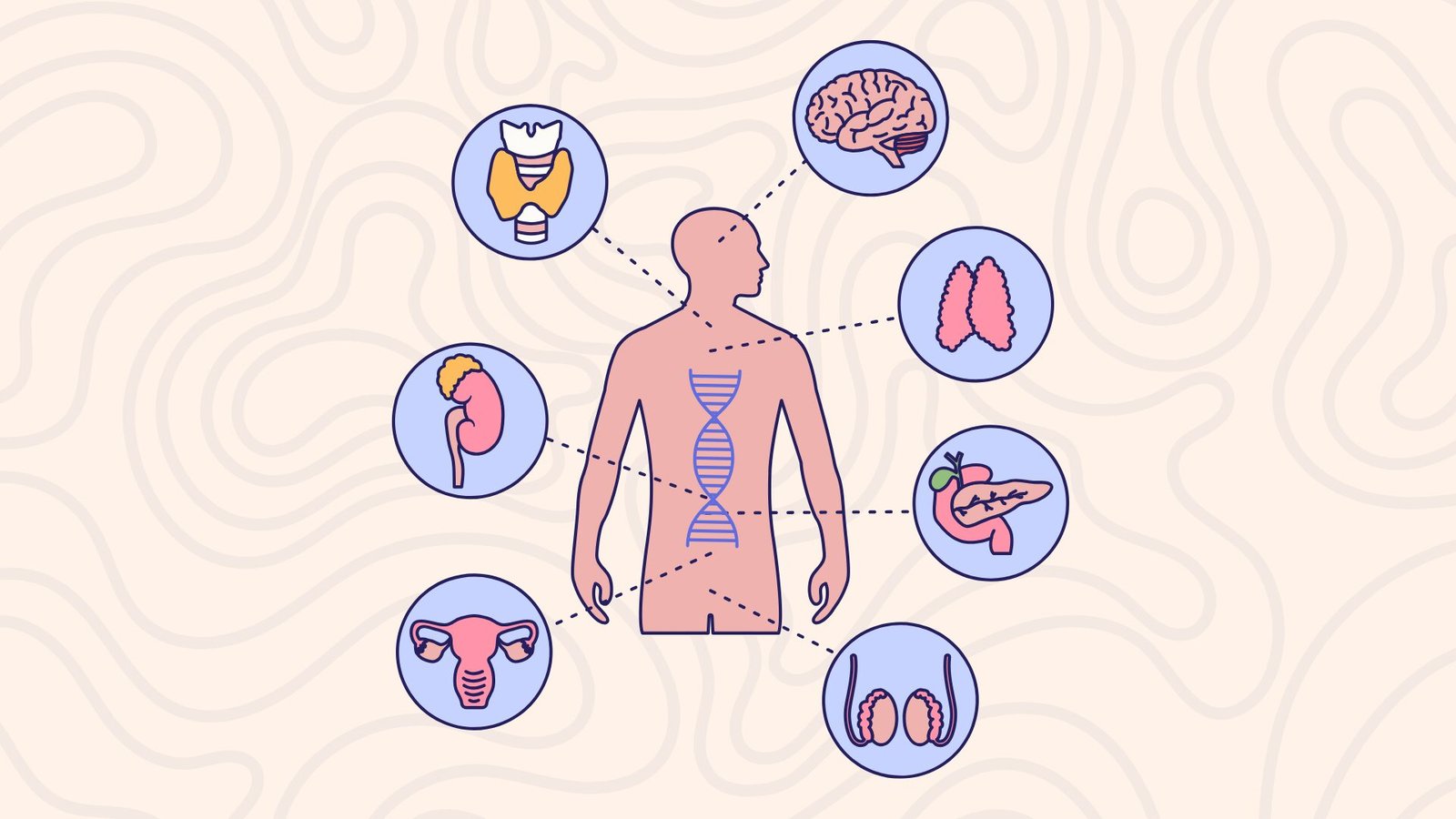
SYSTEM & ORGAN-SPECIFIC RARE DISEASES
Rare genetic diseases can affect any organ
ADULT-ONSET GENETIC DISEASES
Rare Genetic Diseases in Adults
1. What is a rare genetic disease?
A rare genetic disease is a condition caused by a change in one or more genes, occurring in a very small proportion of the total population. As of Indian health standards, a disease is generally considered "rare" if it affects less than 1 among 1,000 individuals according to WHO; most rare genetic disorders affect far fewer individuals than this number.
2. How many people in India are affected by rare diseases?
Recent estimates from various researches suggest that 70-96 million people in India live with a rare disease, and more than 80% of these conditions have a genetic origin. Despite this large number, most of the individual conditions are uncommon, that is the main reason why they are called "rare."
3. What is the reason behind causing a genetic disease?
Genetic diseases arise from small or large changes in DNA - these changes can be inherited from one or both parents, or can occur spontaneously or by de novo during egg/sperm formation or early embryo development. Some may be caused by a single gene change, others from multiple genes interacting with environmental factors, and some from chromosomal abnormalities.
4. Are all genetic diseases inherited from parents?
No. While many genetic diseases follow inheritance patterns such as autosomal dominant, autosomal recessive, or X-linked, a significant number arise from new or (de novo) or spontaneous mutations that are absent in either of the parents.
5. What is the difference between a "genetic" and a "hereditary" disease?
All hereditary diseases are genetic, but not all genetic diseases are hereditary. A genetic disease is mostly caused by a DNA change; a hereditary disease is a genetic disease that is passed down from parent to child.
6. What are common signs that a condition might be genetic?
There are many signs that include: symptoms present from birth or early childhood, one or more affected family members or relatives, unusual combinations of symptoms across organ systems, some sort of developmental delays without any clear reasons, and certain conditions that don't respond to standard treatment. A trained genetic counsellor can help to assess these signs.
7. Can rare genetic diseases be cured?
Most of the rare genetic diseases do not have a cure at the moment, however many can be effectively managed with early diagnosis, specialist care, dietary or lifestyle adjustments, medications, and in a growing number of cases, targeted therapies such as enzyme replacement therapy or gene therapy helps as well.
8. Why does early diagnosis matter for rare diseases?
Early diagnosis of rare genetic diseases allows timely intervention just like any other diseases, this early diagnosis prevents complications, and helps to slow down disease progression, and also guide family planning in decision planning and helps them connect to, and even helps to connect families to appropriate specialists and support networks - when early diagnosis is delayed, we refer them to as "diagnostic odyssey".
9. What is a "diagnostic odyssey"?
Diagnostic Odyssey is often referred to as a timely delay patients and families go through before receiving an accurate diagnosis for a rare genetic condition.
10. Is there an increased incidence of any particular rare genetic disorders in particular groups in Indian society?
Yes, there is. The practice of marriages between individuals belonging to the same family (consanguinity), sometimes called cousin marriages in India, makes it likely that there is an increased incidence of autosomal recessive disorders wherein the faulty allele is passed onto the child by both the parents.
11. Who can be a “carrier” of a genetic disorder?
A carrier is a person who possesses a gene variant of a recessive disorder, but the individual themselves is not affected, since the other copy of the gene works properly. In case both parents carry a gene for a particular recessive disorder, there is a 25% probability that their offspring will be affected.
12.Can genetic diseases skip generations?
Yes, especially in cases of autosomal and X-linked recessive disorders, where the disease is skipped from being present for one to several generations due to no manifestation in carriers.
13. What are some examples of uncommon genetic conditions found in India?
They include thalassemia, sickle cell anemia, spinal muscular atrophy (SMA), Duchenne muscular dystrophy, lysosomal storage disorders (e.g., Gaucher and Pompe disease), cystic fibrosis, and several other inborn metabolic conditions.
14. Does India have a government policy for rare diseases?
Yes, there is a National Policy for Rare Diseases (NPRD) from the Government of India. It was revised recently in 2021, and includes financial support and classifying rare diseases into groups, etc.
15. What is Genetidoc?
Genetidoc is a web-based genetics counseling and testing service that bridges people and families in India to genetic counselors, testing labs, and medical expertise through a secured online portal.
16. Who can use the services of Genetidoc?
The services of Genetidoc are available to people who have any personal or family history of a genetic disease, individuals who are expecting a baby, couples expecting to have a child, individuals with any uncertain diagnosis, adults worried about any inherited disease, including cancers, etc.
17. What is the uniqueness of the rare disease department at Genetidoc?
The rare disease department at Genetidoc is manned by counselors and clinical geneticists who are specially trained for rare and ultra-rare disorders, and we collaborate with laboratories that provide specialized testing panels including exome and whole genome sequencing.
18. Are the genetidoc counselors of Genetidoc qualified/registered?
Yes. The counselors are professionally qualified/registered for genetic counseling and/or clinical genetics, and the sessions where diagnosis is concerned are discussed with our affiliated clinical geneticists.
19. Is Genetidoc’s platform available throughout India?
Yes, our consultations are available pan-India. Sample collection for tests is done through our partners’ laboratories and door-step services in most of the cities/towns; pin-code wise availability may differ.
20. Is a referral from a doctor necessary to use Genetidoc?
No, it is not necessary. However, in case you have any existing reports or a referral from a doctor, it will be useful for our counsellors to be able to provide more accurate recommendations.
21. Is my data secure and private at Genetidoc?
Yes. We have rigorous data security measures in compliance with data privacy laws in India. Your genetic and health data is encrypted, access controlled, and will not be shared with third parties (including insurance companies or employers) without your written permission.
22.Could Genetidoc help me even if I haven't been diagnosed yet?
Certainly! We often receive many families who are still in the diagnostic phase. Our counsellors will be able to assist you with interpreting previous reports and suggest appropriate follow-up testing.
23. Is there any support in regional languages in India by Genetidoc?
Yes, consultations are available in English, Hindi, as well as various other regional languages including Kannada, Malayalam, Tamil, Rajasthani, and Marathi.
24. How can I schedule a consultation with Genetidoc?
You may easily schedule an appointment with GenetiDoc via our website Contact Us page where you will choose the “Genetic Rare Disease Consultation” service and pick a convenient time slot.
25. What goes on in a first meeting?
A first meeting normally includes a very thorough talk about your and your family's medical history, some information about how certain conditions are inherited, information from previous tests that you've had done, and advice about whether further tests are necessary – and lots of opportunity to ask questions!
26. Does Genetidoc continue to provide assistance post-diagnosis?
Yes. We provide follow-up counseling, facilitate connections to support groups for patients with particular disorders, and assist with referrals to specialists or therapists, or Centers of Excellence.
27. Can I access my reports and consultation notes later?
Yes, all your reports, session summaries, and recommendations are securely stored in your GenetiDoc account and accessible to you at any time.
28.What kind of genetic testing is performed at Genetidoc?
The following tests are available at GenetiDoc – carrier screening, targeted gene testing, multi-gene panel, whole exome sequencing, whole genome sequencing, chromosomal microarray analysis, prenatal and preconception screening, and newborn screening.
29. What does genetic testing entail?
The vast majority of genetic testing requires nothing more than a simple blood sample and/or cheek swabbing. However, where prenatal testing is concerned, this could include amniocentesis, something which will certainly be thoroughly explained to you beforehand.
30. Can I conduct my genetic testing at home?
Yes, for many tests, we can conduct your sample collection at home using our partner phlebotomists in most places. For certain specialized or prenatal tests, you might be required to visit a clinic or hospital.
31. How soon will I have my results?
The answer depends on what test you are going to have because the turnaround time differs between the type of test done – single-gene tests are normally completed within 1-2 weeks, while comprehensive panels, exomes and genomes are finished within 3-6 weeks due to more complex analysis required.
32. Do I have to undergo genetic counseling prior to the test?
Yes, it is necessary for you to get genetic counseling prior to the test. This will allow you to know the limitations of the test, its results, and other information needed for you to give your consent.
33. Will genetic counseling be available for me once my results are known?
Yes, genetic counseling is available for each and every test that you order from GenetiDoc. The genetic counsellor will interpret your results to you in layman’s terms.
34. What does "positive," "negative," or "variant of uncertain significance (VUS)" mean?
"Positive" indicates that a disease-causing variant has been detected, "negative" indicates that no disease-causing variant has been detected in the tested genes (but this does not necessarily mean that there is no genetic reason for your condition), and "VUS" indicates that a genetic variant has been detected, but at present there is not enough evidence to say whether it is harmful or not.
35. Is there genetic testing available during pregnancy?
Yes. We can provide you with non-invasive prenatal test (NIPT), carrier screening, and other diagnostic tests such as amniocentesis and chorionic villus sampling (CVS), if needed.
36. Is prenatal genetic testing legal in India?
Yes, prenatal genetic testing to diagnose genetic disorders is legal and is governed by the Pre-conception & Prenatal Diagnostic Techniques (PCPNDT) Act, 1994, which strictly forbids sex determination and sex selection. GenetiDoc completely conforms to this act.
37. What is preconception carrier screening and does it make sense?
These are the tests conducted before conception to determine whether both partners carry recessive gene mutations causing the same disorder. The test is especially advisable in case when one knows of a history of any hereditary disease in his/her family or there is consanguinity between the partners.