
Online and in-clinic visits for genetic consultations, counselling and testing
Department of Reproductive Genetics
Expert genetic guidance for couples navigating infertility, pregnancy loss, prenatal testing, and hereditary concerns — led by Dr. Roshan Daniel, Clinical Geneticist.
Genetic testing can provide answers when starting a family feels uncertain

INFERTILITY
Genetic Causes of Infertility
When routine fertility investigations are inconclusive, genetics often holds the answer. Chromosomal abnormalities, Y-chromosome microdeletions, and single-gene disorders are among the most common — and overlooked — causes of infertility in both men and women. A genetic evaluation can identify the root cause, guide treatment choices, and improve IVF outcomes.
RELATED COUPLE COUNSELLING
Consanguinity & Related Couple Risk Assessment
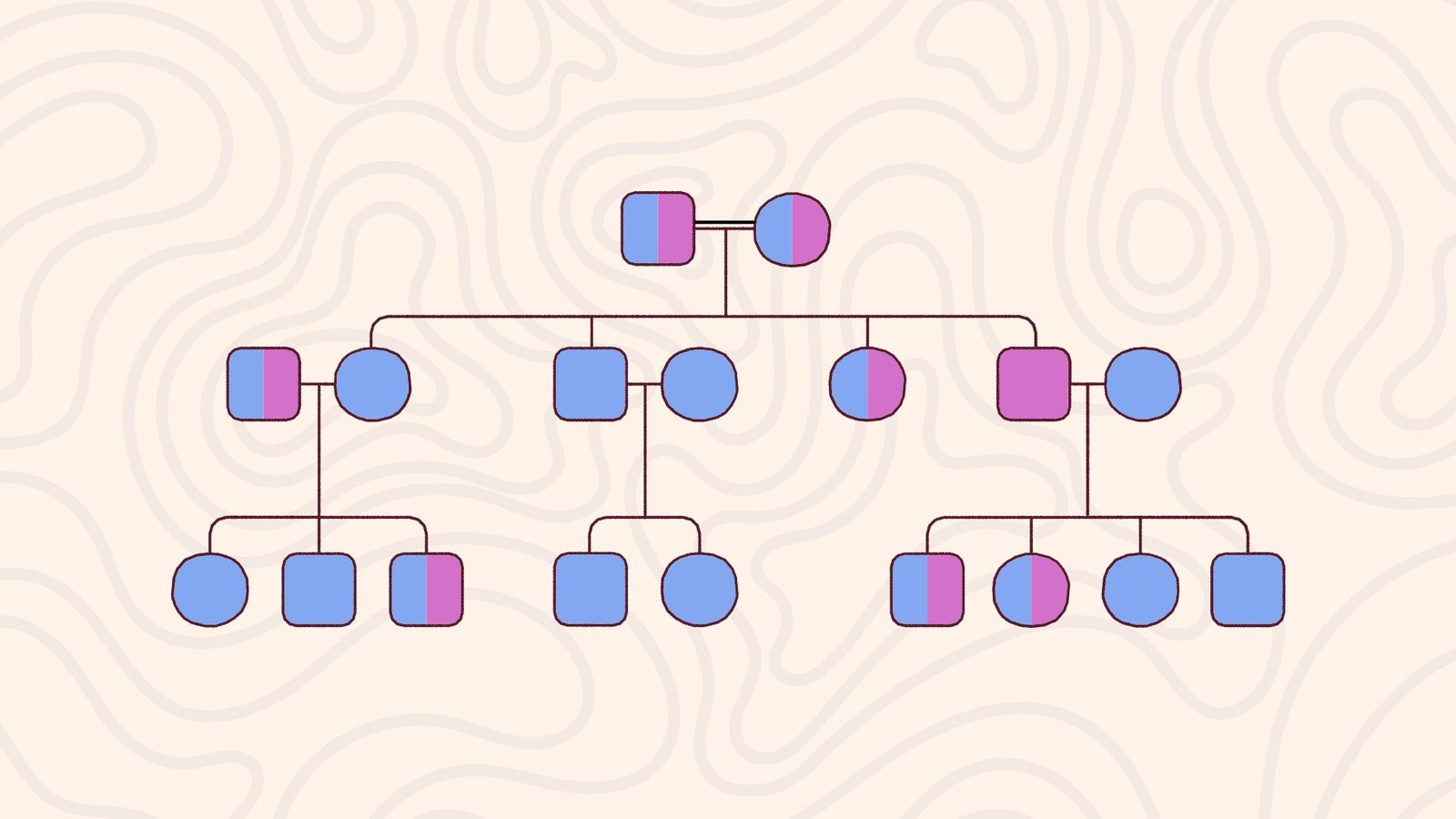
In parts of India, marriages between cousins or relatives are culturally common. When couples are related, the risk of their child inheriting a recessive genetic disorder is higher than in the general population. A pre-pregnancy genetic consultation can quantify this risk, identify conditions to screen for, and guide decisions — without judgment, with clarity.
PRENATAL SCREENING
Non-Invasive Prenatal Testing (NIPT)
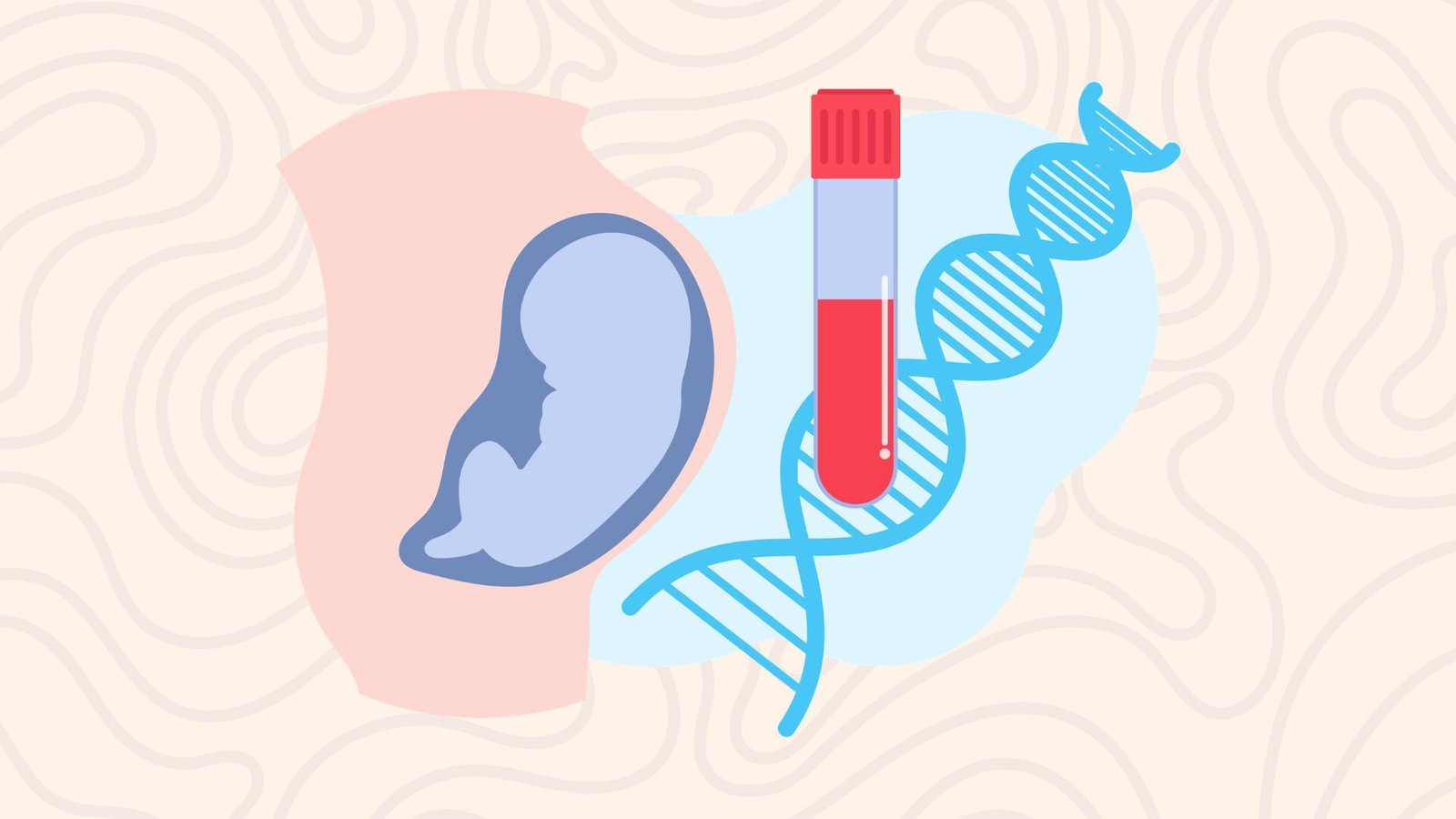
NIPT analyses small fragments of the baby's DNA circulating in the mother's blood as early as the 10th week of pregnancy. It screens for chromosomal conditions including Down syndrome (trisomy 21), Edwards syndrome (trisomy 18), and Patau syndrome (trisomy 13) with very high accuracy — and without any risk to the pregnancy. A genetics consultation helps interpret NIPT results and decide on next steps.
FETAL SCAN ABNORMALITY
Abnormal Ultrasound Findings in Pregnancy
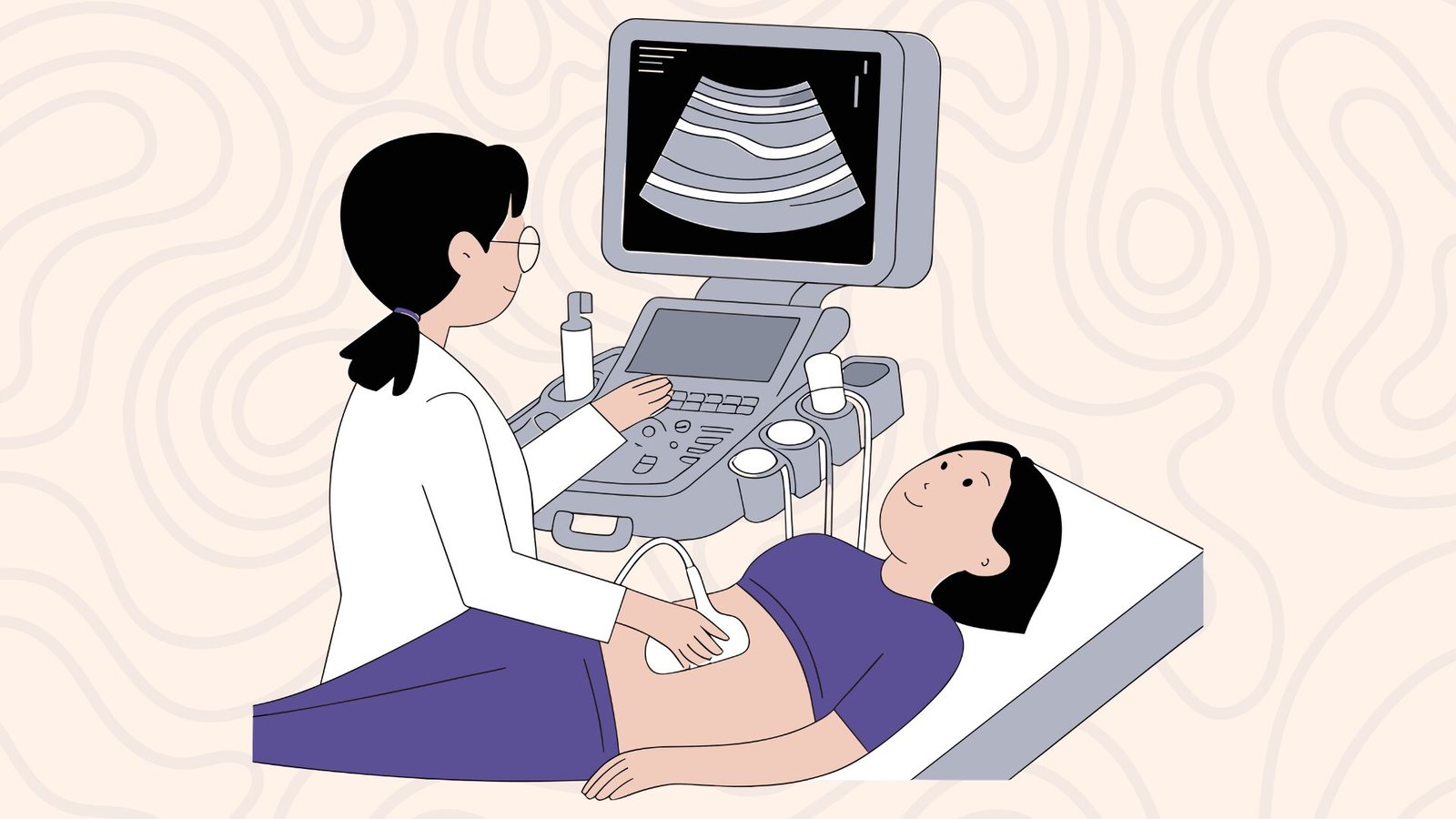
An anomaly found on a routine pregnancy ultrasound — a structural defect, soft marker, or growth concern — can be deeply worrying. Many such findings have a genetic basis, and a clinical geneticist can help piece together the picture: whether a chromosomal abnormality is likely, what further testing is recommended, and what the finding means for the pregnancy and future pregnancies.

PREVENTION OF A DISEASE THAT RUNS IN FAMILY
Family History of Genetic Conditions & Prevention
If a previous child has a chromosomal condition, a genetic disorder, or a birth defect — or if there is a known hereditary condition in the family — a genetics consultation before your next pregnancy is one of the most valuable steps you can take. We map the genetic basis of the condition, estimate recurrence risk, and walk you through options including preimplantation genetic testing (PGT-M), prenatal diagnosis, and more.
RECURRENT ABORTIONS
Recurrent Miscarriage & Pregnancy Loss
Experiencing more than two miscarriages is not just emotionally devastating — it often signals an underlying genetic cause. Chromosomal imbalances in either partner, or in the pregnancy itself, account for a significant proportion of recurrent losses. Genetic evaluation of the couple and, where possible, the pregnancy tissue, can identify why losses are recurring and what can be done to prevent the next one.

PRE-PREGNANCY PLANNING
Carrier Screening for Genetic Conditions
Carriers of conditions like thalassaemia, sickle cell disease, spinal muscular atrophy (SMA), and cystic fibrosis usually show no symptoms themselves — but can pass the condition on to their children. Carrier screening before or during pregnancy identifies couples at risk, allowing them to explore all available options including IVF with preimplantation genetic testing (PGT).
PRENATAL DIAGNOSIS
Amniocentesis & Chorionic Villus Sampling (CVS)
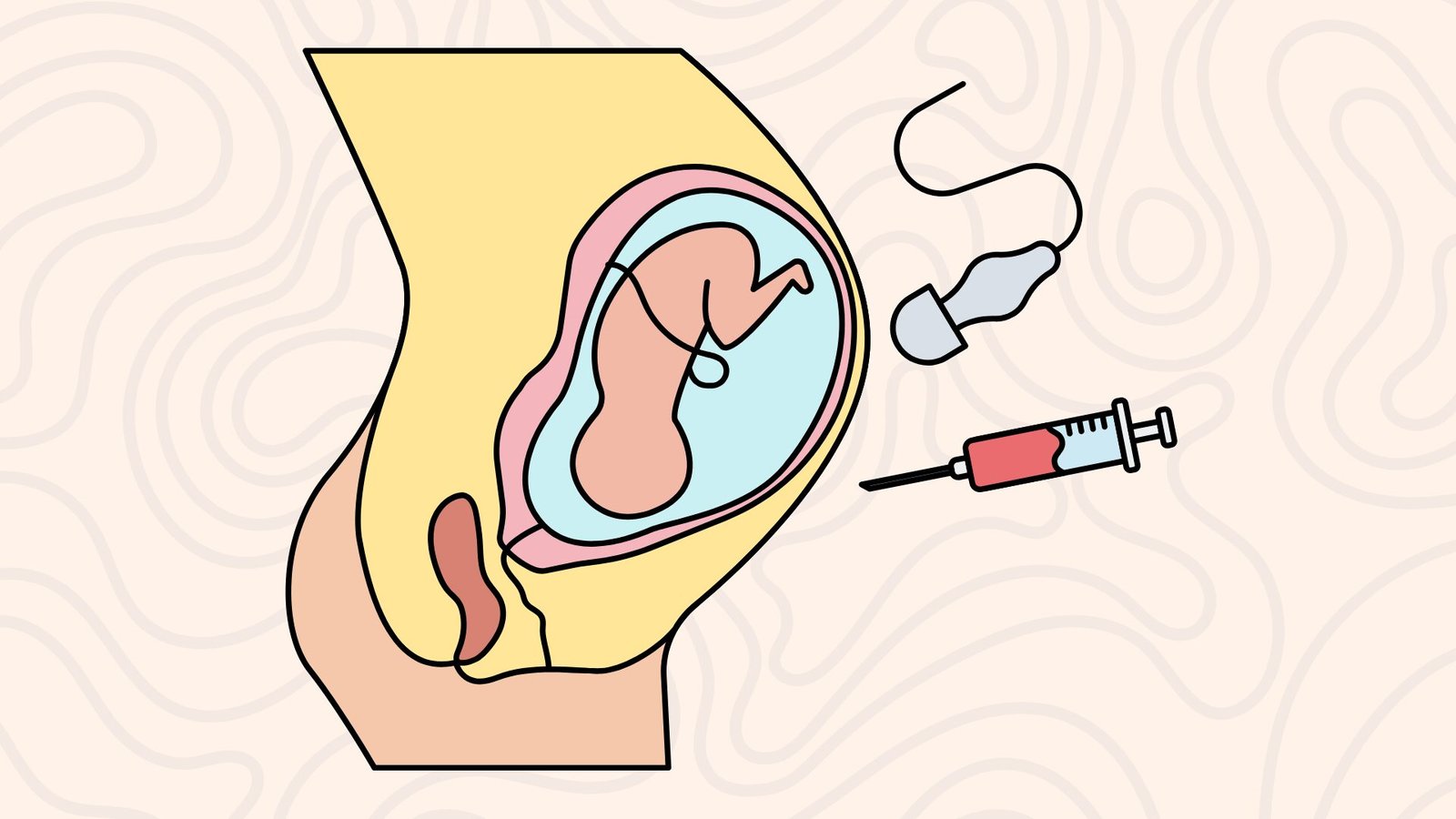
When prenatal screening tests suggest a concern, or when there is a known genetic risk in the family, amniocentesis or CVS can provide a definitive genetic diagnosis of the pregnancy. These are diagnostic procedures — not just screens — and can detect chromosomal disorders, specific genetic mutations, and more. A genetics consultation is essential before and after the procedure to understand your results in full.

ABNORMAL BIOCHEMICAL SCREENING IN PREGNANCY
Abnormal Maternal Serum Markers
The double marker, triple marker, or quadruple marker tests measure biochemical levels in the mother's blood to screen for chromosomal conditions and neural tube defects. An abnormal result does not confirm a diagnosis — it means the risk is elevated and further evaluation is needed. A genetics consultation puts your results in context, explains what they mean, and guides you toward appropriate next steps.
EMBRYO TESTING
Preimplantation Genetic Testing
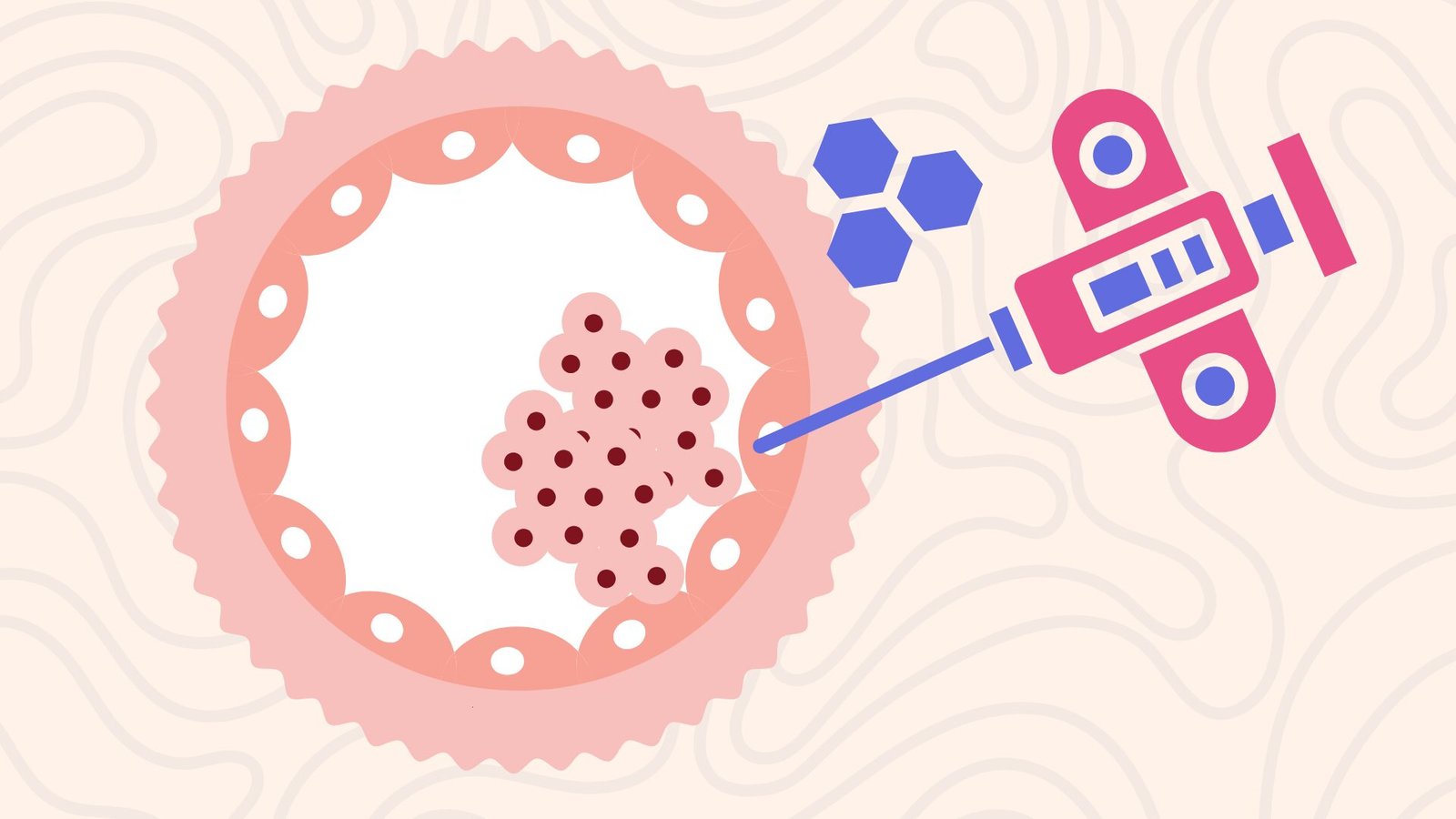
PGT tests embryos for genetic problems before IVF transfer, improving the chances of a healthy pregnancy. PGT-Ascreens for chromosomal errors. PGT-M targets known inherited conditions like thalassaemia, SMA, or BRCA mutations. PGT-SR is for parents carrying chromosomal rearrangements. A genetics consultation determines which type is right for you.
Frequently Asked Questions
1.What is reproductive genetics?
Reproductive genetics is looked into at how genes affect your fertility, pregnancy, and the health of a baby. It helps couples understand their genetic risks before or during pregnancy, so they can plan with confidence.
2.Who should consider meeting a reproductive genetics specialist?
Those couples who are planning a pregnancy, those who are with a family history of a genetic condition, couples related by blood, individuals with recurrent miscarriages, or those undergoing IVF can all benefit from a consultation.
3.What does a genetic counselor actually do?
A genetic counselor reviews medical history of both the family and you, explains relevant genetic risks in plain language, recommends appropriate tests, and helps you understand results and next steps - without pressuring any decision.
4.Is reproductive genetics only for couples with a health problem?
No. Many couples without any known health problems in their family history still carry genes for recessive conditions. Screening is useful even when there's no obvious red flag.
5.How is reproductive genetics different from a regular gynaecology consult?
A gynaecologist takes care of pregnancy and fertility. But a genetics consultant focuses specifically on inherited risk - interpreting test results, family patterns, and genetic testing options in a detailed manner.
6.When should I see a genetic counselor before pregnancy?
A gynaecologist takes care of pregnancy and fertility. But a genetics consultant focuses specifically on inherited risk - interpreting test results, family patterns, and genetic testing options in a detailed manner.
7.What happens in a preconception genetic counseling session?
The genetics counselor takes a family history of the last three-generations, checks for red flags, discusses relevant carrier or genetic tests, and outlines what results would mean for your specific genetics situation.
8.Do I need preconception counseling if my last pregnancy was normal?
A normal previous pregnancy lowers some risks but doesn't rule out carrier status for recessive conditions. It's still worth a conversation, especially with any new family history.
9.Can preconception counseling help if I’m having trouble conceiving?
Yes. Some genetic factors affect fertility directly. A genetic counseling session can help to identify those factors whether genetic testing should be part of your fertility workup.
10.Is genetic counseling only relevant to the woman, or should both partners attend?
Both the partners should attend for a genetic consultation if possible. Many genetic risks depend on both partners' carrier status, so a joint session gives a more complete picture.
11. What is carrier screening?
Both the partners should attend for a genetic consultation if possible. Many genetic risks depend on both partners' carrier status, so a joint session gives a more complete picture.
12.Who needs carrier screening?
Both the partners should attend for a genetic consultation if possible. Many genetic risks depend on both partners' carrier status, so a joint session gives a more complete picture.
13.What is expanded carrier screening?
Both the partners should attend for a genetic consultation if possible. Many genetic risks depend on both partners' carrier status, so a joint session gives a more complete picture.
14.What happens if both partners are carriers of the same condition?
Both the partners should attend for a genetic consultation if possible. Many genetic risks depend on both partners' carrier status, so a joint session gives a more complete picture.
15. How much does carrier screening cost in India?
Cost varies by the number of conditions being tested and the type of lab used. Single-gene tests (like thalassemia) are more affordable; expanded panels covering hundreds of conditions cost more.
16.Can genetics cause recurrent miscarriage?
Yes. Chromosomal abnormalities are among the most common causes of pregnancy loss, and in some couples, one partner carries a balanced chromosomal rearrangement that increases this risk.
17.What genetic tests are done after recurrent pregnancy loss?
Karyotyping of both the partners is a standard starting test. If a cause is found, further options such as PGT-SR (testing embryos for structural rearrangements) may be discussed for future pregnancies.
18.What is a balanced translocation, and why does it matter for pregnancy?
It's a rearrangement of chromosome material that doesn't affect the carrier's health but can lead to unbalanced chromosomes in embryos, raising the chance of miscarriage or an affected pregnancy.
19.If I've had one miscarriage, do I need genetic testing?
Usually not after a single loss, since this is common and often due to a one-off chromosomal error. Testing is generally considered after two or more consecutive losses.
20.Can genetic testing tell us if a future pregnancy will be successful?
Not with certainty. It can identify specific risk factors and guide options that improve the chances of a successful pregnancy, but no test can guarantee an outcome.
21.Does a consanguineous marriage always lead to genetic problems in children?
No. Most children of consanguineous couples are healthy. The risk of recessive conditions is higher than in unrelated couples, but genetic counseling and carrier screening can clarify and manage this risk.
22.What should consanguineous couples do before planning a pregnancy?
A preconception genetic counseling session followed by the carrier screening is recommended. This identifies shared carrier risks so you can make informed decisions.
23.How does family history affect pregnancy planning?
A condition in a close or blood relative can indicate an inherited pattern. Sharing this history with a genetic counselor helps determine if testing is relevant for you or your partner.
24.What information should I gather before a genetic counseling visit?
A condition in a close or blood relative can indicate an inherited pattern. Sharing this history with a genetic counselor helps determine if testing is relevant for you or your partner.
25. Is genetic testing needed before IVF?
Genetic testing is not needed for everyone before IVF test, but it's recommended for couples with a family history of a genetic condition, recurrent pregnancy loss, advanced maternal age, or known carrier status.
26. What is PGT and how does it work with IVF?
Preimplantation Genetic Testing (PGT) checks embryos created through IVF for chromosomal or genetic conditions before transfer, allowing selection of embryos without the specific condition being tested for.
27. What's the difference between PGT-A, PGT-M, and PGT-SR?
PGT-A screens for the correct number of chromosomes
PGT-M tests for a specific known single-gene condition in the family
PGT-SR checks for structural chromosomal rearrangements like translocations.
28. Does PGT guarantee a healthy baby?
No test including PGT can guarantee a healthy baby. But, PGT reduces the chance of specific conditions being passed on but doesn't rule out all possible health issues.
29. Who should consider PGT-M?
Couples known to carry a specific inherited condition - identified through carrier screening or a family diagnosis - who want to avoid passing it to their child.
30. What is NIPT (Non-Invasive Prenatal Testing)?
NIPT is a blood test done after 10 weeks of pregnancy that screens for common chromosomal conditions, such as Down syndrome, by analysing fetal DNA present in the mother's blood.
31. Is NIPT the same as a diagnostic test?
No. NIPT is just a screening test - it estimates risk, not a confirmed diagnosis. A positive result is usually followed by a diagnostic test like CVS or amniocentesis.
32. What is CVS (chorionic villus sampling)?
CVS is a diagnostic procedure done in the first trimester that takes a small sample of placental tissue to test the baby's chromosomes and genes directly.
33. What is amniocentesis and when is it done?
CVS is a diagnostic procedure done in the first trimester that takes a small sample of placental tissue to test the baby's chromosomes and genes directly.
34. What is chromosomal microarray testing in pregnancy?
Chromosomal microarray is a detailed test that examines the baby's chromosomes at a higher resolution than standard testing, picking up small missing or extra segments that a routine karyotype might miss.
35. Can genetic disorders be detected before birth?
Many chromosomal conditions and some single-gene disorders can be detected through prenatal testing. Not every condition can be identified before birth, and your counselor can clarify what a specific test does and doesn't cover.