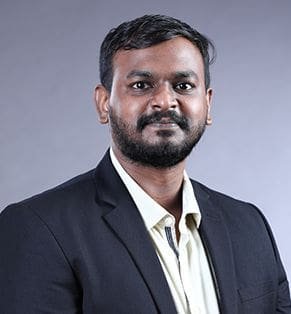
Dr Roshan Daniel
MBBS, MD, DM Medical Genetics, ECMGG, PDG in Precision Oncology
Dr. Roshan Daniel, founder of Genetidoc Genetic Clinic and DNA Testing Lab, is among India’s most qualified and accomplished clinical geneticists. With extensive experience across pediatric and adult genetic disorders, reproductive and cancer genetics, and DNA testing, he is recognized for his expertise in both clinical care and advanced genomic diagnostics. He currently serves as Head of the Department of Medical Genetics at KIMSHEALTH Hospitals, Trivandrum.
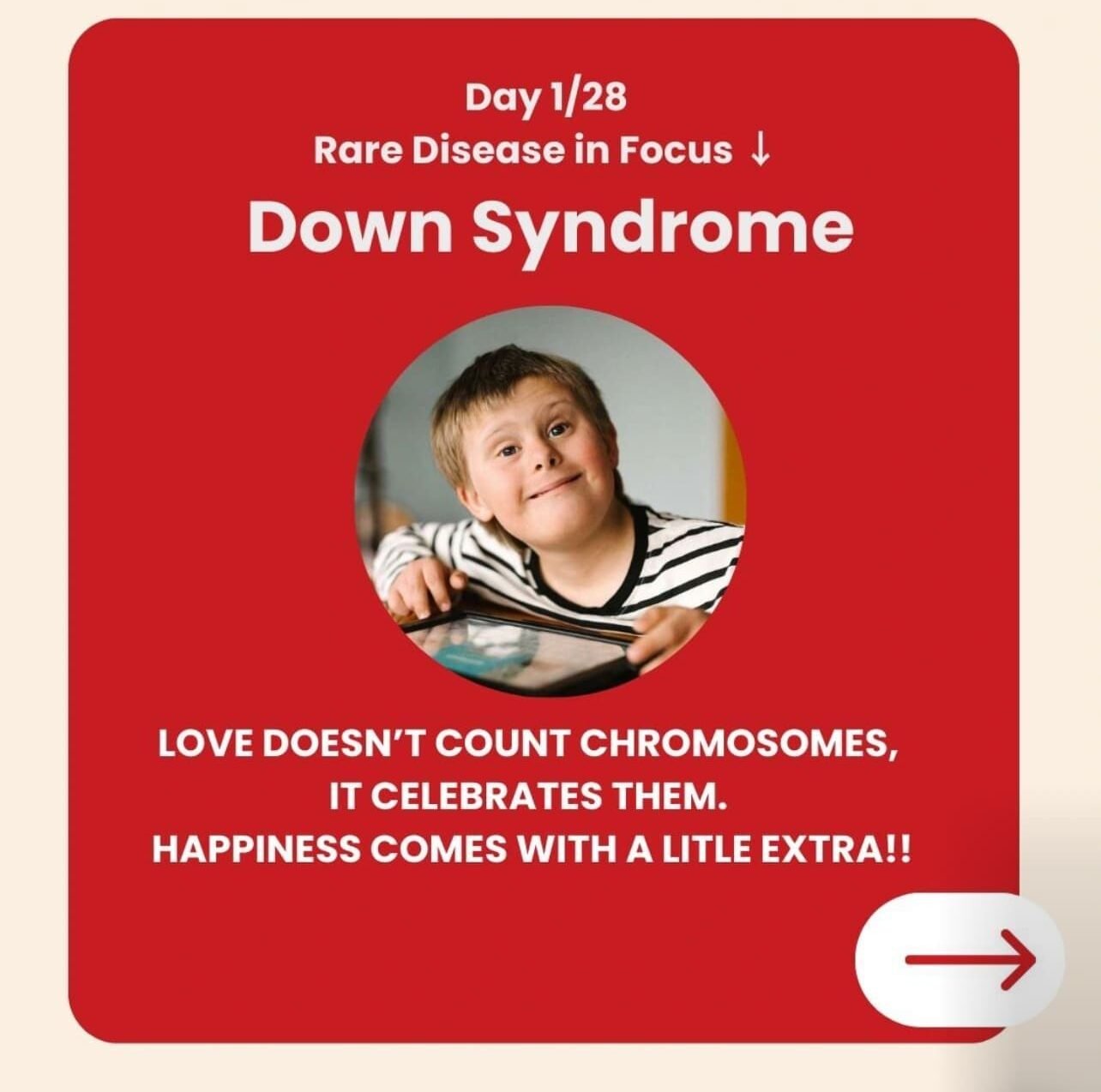
We begin our 28 Days, 28 Rare Diseases awareness campaign with Down Syndrome (Trisomy 21)—one of the most recognized yet misunderstood genetic conditions worldwide.
At Genetidoc Genetic Clinic and DNA Testing Lab, under the leadership of Dr. Roshan Daniel (MBBS, MD, DM Medical Genetics)—one of India’s few qualified medical geneticists—we have supported numerous families on their journey of diagnosis, understanding, and long-term care for Down Syndrome and other genetic conditions.
Our mission is simple yet powerful: to make Down Syndrome care in India compassionate, informed, and accessible to every family.
What Is Down Syndrome?
Every human being typically carries 46 chromosomes (23 pairs) in each cell. Down Syndrome occurs when there is an extra copy of chromosome 21, leading to 47 chromosomes instead of 46. This condition is scientifically called Trisomy 21—“tri” meaning three copies.
This extra genetic material alters the normal developmental pattern, influencing physical growth, intellectual abilities, and health. Children and adults with Down Syndrome often share certain features and medical tendencies, yet every individual remains unique and capable in their own way.
Common Features Seen in Down Syndrome
✔ Distinctive facial features (flat facial profile, upward slanting eyes)
✔ Mild to moderate intellectual disability
✔ Delayed developmental milestones (walking or talking later than peers)
✔ Increased risk of medical issues such as thyroid disease and heart defects
Despite these challenges, Down Syndrome care in India has greatly evolved—thanks to early detection, multidisciplinary care, and growing societal awareness.
Why Does Down Syndrome Occur?
Down Syndrome usually occurs by chance, not because of anything the parents did or didn’t do. The cause lies in a random event called non-disjunction—when chromosomes fail to separate properly during the formation of eggs or sperm.
As a result, the baby receives an extra chromosome 21 from one of the parents. In most cases, it’s not inherited; it’s simply a natural error during cell division.
However, a small percentage of cases occur due to translocation Down Syndrome, where a part of chromosome 21 attaches to another chromosome. In such cases, one parent may be a balanced carrier and may not show any symptoms but can pass on the rearranged chromosome.
That’s why genetic counselling and testing for parents are vital parts of Down Syndrome care.
How Common Is Down Syndrome in India?
Globally, 1 in 700 babies is born with Down Syndrome. In India, the incidence is estimated at approximately 23,000–30,000 new cases each year.
Despite being one of the most common chromosomal conditions, awareness and access to genetic testing remain limited, especially outside major cities.
At GenetiDoc, we believe that every family deserves access to accurate diagnosis, emotional support, and long-term management plans—no matter where they live.
Early Detection and Prenatal Screening
One of the most powerful advances in Down Syndrome care in India is prenatal screening and diagnosis. Detecting this condition early allows families to make informed decisions, plan medical care, and seek the right support.
1. Screening Tests (Non-Invasive)
These are simple blood and ultrasound tests done routinely in pregnancy:
-
Dual, triple, or quadruple marker tests measure hormone levels in the mother’s blood.
-
Ultrasound scans during the first and second trimesters may show certain markers like increased nuchal translucency or cardiac anomalies.
These tests only estimate risk and are not definitive.
2. Non-Invasive Prenatal Testing (NIPT)
NIPT is a highly accurate blood test that analyzes fragments of the baby’s DNA circulating in the mother’s blood.
It detects Down Syndrome with 99% sensitivity and is completely safe for both mother and baby.
Although it is a screening test, its accuracy makes it one of the best first-line options in Down Syndrome detection in India.
3. Confirmatory Diagnostic Tests
If screening tests suggest a high risk, diagnostic tests can confirm the presence of Down Syndrome:
-
Amniocentesis – A small amount of amniotic fluid is taken from the womb and tested.
-
Chorionic Villus Sampling (CVS) – A sample of placental tissue is tested earlier in pregnancy.
These provide a definitive diagnosis but carry a small risk of miscarriage, so they are done under medical guidance.
Life with Down Syndrome: From Challenges to Opportunities
Decades ago, families in India had limited support or understanding of Down Syndrome. Today, the landscape is changing.
With proper medical follow-up, therapies, and inclusive education, individuals with Down Syndrome can lead long, meaningful, and productive lives.
Common Medical Concerns and Their Management
At GenetiDoc, we routinely evaluate and manage the following conditions in children and adults with Down Syndrome:
🔹 Congenital Heart Disease – About 40–50% are born with a heart defect; many can be corrected surgically or treated with medication.
🔹 Hypothyroidism – Low thyroid function is common; regular screening and simple thyroxine supplements can help.
🔹 Hearing and Vision Issues – Require periodic check-ups to prevent learning delays.
🔹 Celiac Disease – Gluten sensitivity is more frequent; dietary management is highly effective.
🔹 Leukemia (Blood Cancer) – A small risk exists, especially in childhood; early detection allows successful treatment.
🔹 Cervical Spine Instability – Monitored through specialized imaging and physiotherapy guidance.
Regular check-ups and preventive care are the backbone of Down Syndrome management in India.
Supporting Families: Our Experience at GenetiDoc
Families often reach out to us when they notice:
-
Delays in walking, speech, or learning
-
Characteristic facial features
-
Heart murmurs or congenital anomalies identified on scans
At GenetiDoc Genetic Clinic and DNA Testing Lab, we take a comprehensive, family-centered approach:
✅ Confirmatory genetic testing to establish the diagnosis
✅ Detailed counselling sessions explaining recurrence risks
✅ Care coordination with pediatricians, cardiologists, endocrinologists, and therapists
✅ Long-term follow-up plans focusing on health, education, and independence
We emphasize that Down Syndrome is not a disease to “cure,” but a condition to understand, support, and celebrate.
Real Stories of Inspiration
Around the world, individuals with Down Syndrome have broken stereotypes and achieved remarkable success:
-
John’s Crazy Socks – Founded by John Cronin, an entrepreneur with Down Syndrome, now an international brand.
-
Zainika Jagasia – An Indian model and influencer who inspires inclusivity in fashion.
-
James Martin – The first actor with Down Syndrome to star in an Oscar-winning film.
These examples prove that with love, training, and opportunity, every child with Down Syndrome can thrive.
Intelligence and Development in Down Syndrome
The average IQ of individuals with Down Syndrome is around 50–60, but it can range up to 90, which is near normal.
Early intervention—especially during the first five years—has a profound impact on outcomes.
At GenetiDoc, we guide parents through:
-
Speech and language therapy for communication skills
-
Occupational therapy for fine motor coordination
-
Physical therapy for strength and posture
-
Behavioral and educational support to build confidence
Each child’s potential is different, but with consistent support, they can achieve milestones once considered impossible.
Life Expectancy and Long-Term Health
With modern medical care, life expectancy for individuals with Down Syndrome now exceeds 40–50 years.
In the absence of severe heart defects or leukemia, many live even longer—thanks to advances in cardiac surgery, infection control, and preventive care.
In India, however, long-term care still faces challenges due to limited awareness and resources.
This is why initiatives like GenetiDoc’s Rare Disease Campaign and Down Syndrome care India awareness programs are essential—to normalize discussions, promote inclusion, and build support networks for families.
Can Down Syndrome Recur in Future Pregnancies?
In most families, Down Syndrome does not recur, especially if it was caused by random non-disjunction.
However, when a translocation form is suspected, chromosomal testing of both parents is crucial.
-
Over 95% of parents do not carry any translocation.
-
The recurrence risk is usually less than 1%, but slightly higher than the general population.
-
For reassurance in future pregnancies, NIPT or amniocentesis is strongly recommended.
This preventive approach forms a key part of genetic counselling for Down Syndrome at our center.
Our Comprehensive Down Syndrome Services
At GenetiDoc Genetic Clinic and DNA Testing Lab, we provide end-to-end services for families dealing with Down Syndrome:
✔ Genetic Testing and Karyotyping – To identify Trisomy 21 or translocation variants
✔ Prenatal Screening and NIPT – For early detection in pregnancy
✔ Genetic Counselling – To explain recurrence risks and management
✔ Medical Management Plans – Coordinated care for thyroid, heart, and developmental concerns
✔ Online Consultations – For families across India and abroad
Our team ensures that every family receives clarity, comfort, and a clear plan of action.
Frequently Asked Questions (FAQs)
💡 What causes Down Syndrome?
An extra copy of chromosome 21 changes how the body and brain develop, leading to the clinical features of Down Syndrome.
💡 Is it inherited?
Most cases are not inherited. Rarely, a translocation from one parent may cause recurrence.
💡 Can Down Syndrome be prevented?
While it cannot be “prevented,” prenatal screening and NIPT can detect it early, allowing families to make informed decisions.
💡 Can individuals with Down Syndrome live independently?
Yes! With therapy, education, and family support, many complete schooling, hold jobs, and live independently.
💡 What is the best place for Down Syndrome care in India?
A genetic clinic offering multidisciplinary care—like GenetiDoc Genetic Clinic and DNA Testing Lab—is ideal. Here, you’ll find expert counselling, testing, and personalized medical guidance under Dr. Roshan Daniel, one of India’s leading geneticists.
Spreading Awareness: No Disease Is Too Rare to Care
Down Syndrome care in India represents the intersection of compassion, science, and empowerment.
Through our 28 Days, 28 Rare Diseases campaign, we aim to bring visibility to genetic disorders, promote early diagnosis, and inspire inclusive communities.
If you or someone you know is seeking genetic counselling, prenatal testing, or guidance for Down Syndrome, reach out to us today.
Together, we can build a future where every child—regardless of genetic difference—has the opportunity to thrive.